
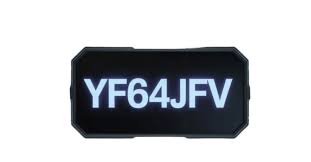
Have you ever stumbled across a code or keyword like YF64JFV and wondered what it actually means? While it might seem like a random string of letters and numbers, YF64JFV carries more significance than most people think. In this article, we’ll dive deep into YF64JFV, explore its possible uses, and understand why it’s becoming a topic of interest online.
What is YF64JFV?
At first glance, YF64JFV looks like a cryptic code, but codes like this can have multiple applications. Depending on the context, YF64JFV could represent a serial number, an access code, a product identifier, or even a digital key. While the specific origin of YF64JFV is not publicly documented, analyzing patterns in such codes gives us a lot of insight.
Codes like this are typically used in systems where unique identification is necessary. For example, digital platforms, software products, and even logistical companies often use alphanumeric codes like YF64JFV to keep track of items, licenses, or users. The randomness in the letters and numbers ensures that each code is unique and nearly impossible to guess.
Interestingly, people often confuse such codes with passwords or encryption keys. While they might resemble each other, the purpose is slightly different. YF64JFV, as a keyword or identifier, is not meant to secure data in the same way a password does—it is more like a name tag for a digital entity.
Possible Applications of YF64JFV
One of the most fascinating aspects of YF64JFV is its versatility. Here are some common ways such codes are used in real-world scenarios:
1. Digital Product Codes
Many software products use alphanumeric strings to validate ownership. YF64JFV could easily function as a product key for software, giving access to a program only to those who possess it. This is particularly common in paid software, where every copy must be uniquely identified to prevent piracy.
The uniqueness of the code ensures that one key cannot be used on multiple devices simultaneously. Companies use algorithms to generate these codes in a way that no two codes are ever the same, which could explain why YF64JFV looks so random.
2. Inventory and Tracking Systems
Another common application of codes like YF64JFV is in logistics and inventory management. Warehouses, shipping companies, and retailers assign alphanumeric identifiers to track products efficiently. Using a code like YF64JFV, a company can quickly identify a specific item, track its location, or even manage stock levels digitally.
The benefits are enormous. With automated scanning systems, a simple scan of YF64JFV can provide real-time data on product movement, stock shortages, and shipping status. This reduces human error and ensures faster operations in large-scale warehouses.
3. Access and Authentication Codes
Some platforms assign temporary or permanent codes to users to grant access to resources. For example, YF64JFV might serve as a one-time access key to a secure portal or as a recurring identifier for membership verification. These codes ensure that only authorized individuals can use specific services, adding an extra layer of security without relying solely on usernames and passwords.
Moreover, codes like YF64JFV can also be used in online events, webinars, or digital contests to manage participant entry. This makes event organization more seamless and minimizes fraudulent entries.
The Structure Behind YF64JFV
You might be curious: is there a pattern behind the code, or is it purely random? In many cases, alphanumeric codes are designed based on a specific algorithm. Let’s break down what YF64JFV could represent:
-
YF: This could indicate a category, batch, or source. Companies often use the first few letters to signify a specific type of product or service.
-
64: Numbers within such codes often indicate a sequence, version, or date-related reference. For example, it could mark the 64th item in a batch or a product version.
-
JFV: The final letters may add further distinction or uniqueness, ensuring no two codes are alike.
The combination of letters and numbers is essential. Letters provide flexibility and allow for more variations than numbers alone, while numbers provide sequential or batch information that is easy to track digitally. This mix makes codes like YF64JFV highly efficient for both human readability and computer processing.

How to Use or Interpret YF64JFV
If you’ve come across YF64JFV, there are a few practical tips to keep in mind:
-
Check the Source: The meaning of the code often depends on where you found it. A code from a software box differs from a code printed on a shipping label. Understanding the origin is key.
-
Do Not Share Publicly: Some codes, especially if used for software or access, are sensitive. Sharing YF64JFV publicly could allow unauthorized access to services.
-
Digital Validation: Many platforms offer online verification. Entering the code in the proper portal or system can reveal its purpose—whether it’s validating a product, confirming access, or tracking a shipment.
-
Keep Records: If YF64JFV is part of your inventory, account, or license, maintaining a record ensures you don’t lose access to essential items or services. A simple spreadsheet or note-taking system can help manage multiple codes efficiently.
Why People Are Curious About YF64JFV
The intrigue surrounding YF64JFV is understandable. In today’s digital age, alphanumeric codes are everywhere—from unlocking content to verifying products. People naturally want to understand the meaning and purpose behind codes they encounter.
Some common reasons for curiosity include:
-
Tech Enthusiasm: Tech-savvy individuals enjoy decoding patterns and understanding the logic behind seemingly random strings.
-
Security Concerns: Some people wonder if codes like YF64JFV are linked to hacking attempts or malware, prompting them to research its authenticity.
-
Curiosity About Products or Services: If YF64JFV appears on a product, in a game, or online service, users may want to understand if it gives them extra benefits or features.
The mystery of a code like YF64JFV adds an element of exploration in our digital world. While it may seem small, such codes connect deeply with systems that power modern technology.
Common Misconceptions About Codes Like YF64JFV
Because YF64JFV looks mysterious, people often make assumptions that aren’t accurate. Here are some misconceptions:
-
It’s a Password: While it may resemble a password, YF64JFV is likely a public or semi-public identifier rather than a secret key.
-
It’s Random: Even though the code looks random, it may follow strict generation rules to maintain uniqueness and prevent conflicts.
-
It’s Dangerous: Just because a code is alphanumeric doesn’t mean it’s harmful. Most are designed purely for identification and tracking purposes.
Understanding these misconceptions helps reduce confusion and ensures people use codes like YF64JFV appropriately.
Future Trends and YF64JFV
The importance of unique codes is only growing in the digital age. From blockchain to secure online services, the need for identifiers like YF64JFV is rising. Here are a few trends:
-
Digital Identity: Codes may become central to verifying digital identities without relying on passwords. YF64JFV could be an early example of this trend.
-
Product Traceability: Consumers are demanding transparency. Codes like YF64JFV allow manufacturers and sellers to track items from production to delivery.
-
Enhanced Security: Unique identifiers are crucial in cybersecurity. Using codes rather than predictable sequences adds layers of protection against fraud.
By understanding YF64JFV today, we can glimpse how identification systems might evolve tomorrow.
Conclusion: Why YF64JFV Matters
In the end, YF64JFV is more than just a jumble of letters and numbers. It represents the growing need for unique, verifiable digital identifiers in an increasingly connected world. From software licensing to inventory management, access control, and digital security, codes like this play a vital role in daily operations across industries.